
Items Per Page:
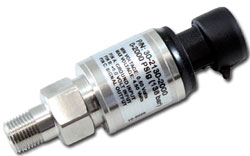
100 PSIg Stainless Sensor Kit
Gauge style (PSIg) Pressure Sensors
AEM offers high quality PSIg sensors in 100, 150, 500, 1,000,
and 2,000. Gauge style pressure sensors reference pressure above atmospheric pressure. When exposed to atmospheric
pressure, gauge style pressure sensors will read 0 psig. Gauge style pressure sensors are commonly used for oil pressure,
fuel pressure, brake pressure, nitrous pressure etc.
Which Pressure Sensor is right for you?
There are many different tools that can be used for measurement, but the degree of accuracy is dependent upon the tool. For example, a ruler can measure distance with a good degree of accuracy, but for a more precise measurement a caliper should be used. The difference between a brass pressure sensor and a stainless steel pressure sensor is similar if we think about it in these terms:
Brass Pressure Sensor = Ruler
Use a Brass Pressure Sensor where you need a good reference to what
pressure is being seen.
Example: Brass Pressure Sensor used for a Boost Gauge – Reference/Information for knowing
manifold pressure, not for ECU calibration.
Stainless Pressure Sensor = Caliper
Use a SS Pressure Sensor where you need exact details of the
pressure.
Example: MAP Sensor information for the ECU – Calibration/crucial information for the ECU.
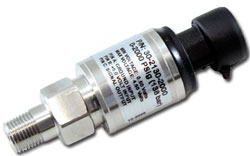
1000 PSIg Stainless Sensor Kit
Gauge style (PSIg) Pressure Sensors
AEM offers high quality PSIg sensors in 100, 150, 500, 1,000,
and 2,000. Gauge style pressure sensors reference pressure above atmospheric pressure. When exposed to atmospheric
pressure, gauge style pressure sensors will read 0 psig. Gauge style pressure sensors are commonly used for oil pressure,
fuel pressure, brake pressure, nitrous pressure etc.
Which Pressure Sensor is right for you?
There are many different tools that can be used for measurement, but the degree of accuracy is dependent upon the tool. For example, a ruler can measure distance with a good degree of accuracy, but for a more precise measurement a caliper should be used. The difference between a brass pressure sensor and a stainless steel pressure sensor is similar if we think about it in these terms:
Brass Pressure Sensor = Ruler
Use a Brass Pressure Sensor where you need a good reference to what
pressure is being seen.
Example: Brass Pressure Sensor used for a Boost Gauge – Reference/Information for knowing
manifold pressure, not for ECU calibration.
Stainless Pressure Sensor = Caliper
Use a SS Pressure Sensor where you need exact details of the
pressure.
Example: MAP Sensor information for the ECU – Calibration/crucial information for the ECU.
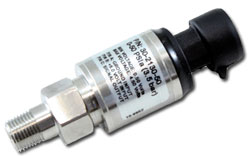
15 PSIa or 1 Bar Stainless Sensor Kit
Absolute (PSIa) Pressure Sensors
AEM offers high quality stainless steel PSIa sensors in 15 (1BAR),
30 (2BAR), 50 (3.5BAR), and 75 (5BAR). PSIa is referenced to absolute zero. Absolute zero is the pressure measurement
when all the pressure exerted by the atmosphere has been removed. The most common use for absolute pressure sensors
is reading manifold pressure. PSIa sensors are required if you wish to measure vacuum. A PSIa sensor will read about
14.7 PSI when the sensing element is exposed to atmospheric pressure at sea level however they can be recalibrated
to read zero at atmospheric and a negative number at values less than atmospheric pressure.
Which Pressure Sensor is right for you?
There are many different tools that can be used for measurement, but the degree of accuracy is dependent upon the tool. For example, a ruler can measure distance with a good degree of accuracy, but for a more precise measurement a caliper should be used. The difference between a brass pressure sensor and a stainless steel pressure sensor is similar if we think about it in these terms:
Brass Pressure Sensor = Ruler
Use a Brass Pressure Sensor where you need a good reference to what
pressure is being seen.
Example: Brass Pressure Sensor used for a Boost Gauge – Reference/Information for knowing
manifold pressure, not for ECU calibration.
Stainless Pressure Sensor = Caliper
Use a SS Pressure Sensor where you need exact details of the
pressure.
Example: MAP Sensor information for the ECU – Calibration/crucial information for the ECU.
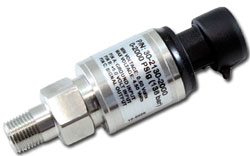
150 PSIg Stainless Sensor Kit
Gauge style (PSIg) Pressure Sensors
AEM offers high quality PSIg sensors in 100, 150, 500, 1,000,
and 2,000. Gauge style pressure sensors reference pressure above atmospheric pressure. When exposed to atmospheric
pressure, gauge style pressure sensors will read 0 psig. Gauge style pressure sensors are commonly used for oil pressure,
fuel pressure, brake pressure, nitrous pressure etc.
Which Pressure Sensor is right for you?
There are many different tools that can be used for measurement, but the degree of accuracy is dependent upon the tool. For example, a ruler can measure distance with a good degree of accuracy, but for a more precise measurement a caliper should be used. The difference between a brass pressure sensor and a stainless steel pressure sensor is similar if we think about it in these terms:
Brass Pressure Sensor = Ruler
Use a Brass Pressure Sensor where you need a good reference to what
pressure is being seen.
Example: Brass Pressure Sensor used for a Boost Gauge – Reference/Information for knowing
manifold pressure, not for ECU calibration.
Stainless Pressure Sensor = Caliper
Use a SS Pressure Sensor where you need exact details of the
pressure.
Example: MAP Sensor information for the ECU – Calibration/crucial information for the ECU.
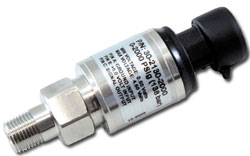
2000 PSIg Stainless Sensor Kit
Gauge style (PSIg) Pressure Sensors
AEM offers high quality PSIg sensors in 100, 150, 500, 1,000,
and 2,000. Gauge style pressure sensors reference pressure above atmospheric pressure. When exposed to atmospheric
pressure, gauge style pressure sensors will read 0 psig. Gauge style pressure sensors are commonly used for oil pressure,
fuel pressure, brake pressure, nitrous pressure etc.
Which Pressure Sensor is right for you?
There are many different tools that can be used for measurement, but the degree of accuracy is dependent upon the tool. For example, a ruler can measure distance with a good degree of accuracy, but for a more precise measurement a caliper should be used. The difference between a brass pressure sensor and a stainless steel pressure sensor is similar if we think about it in these terms:
Brass Pressure Sensor = Ruler
Use a Brass Pressure Sensor where you need a good reference to what
pressure is being seen.
Example: Brass Pressure Sensor used for a Boost Gauge – Reference/Information for knowing
manifold pressure, not for ECU calibration.
Stainless Pressure Sensor = Caliper
Use a SS Pressure Sensor where you need exact details of the
pressure.
Example: MAP Sensor information for the ECU – Calibration/crucial information for the ECU.
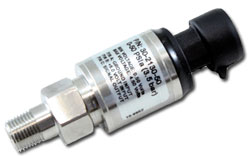
30 PSIa or 2 Bar Stainless Sensor Kit
Absolute (PSIa) Pressure Sensors
AEM offers high quality stainless steel PSIa sensors in 15 (1BAR),
30 (2BAR), 50 (3.5BAR), and 75 (5BAR). PSIa is referenced to absolute zero. Absolute zero is the pressure measurement
when all the pressure exerted by the atmosphere has been removed. The most common use for absolute pressure sensors
is reading manifold pressure. PSIa sensors are required if you wish to measure vacuum. A PSIa sensor will read about
14.7 PSI when the sensing element is exposed to atmospheric pressure at sea level however they can be recalibrated
to read zero at atmospheric and a negative number at values less than atmospheric pressure.
Which Pressure Sensor is right for you?
There are many different tools that can be used for measurement, but the degree of accuracy is dependent upon the tool. For example, a ruler can measure distance with a good degree of accuracy, but for a more precise measurement a caliper should be used. The difference between a brass pressure sensor and a stainless steel pressure sensor is similar if we think about it in these terms:
Brass Pressure Sensor = Ruler
Use a Brass Pressure Sensor where you need a good reference to what
pressure is being seen.
Example: Brass Pressure Sensor used for a Boost Gauge – Reference/Information for knowing
manifold pressure, not for ECU calibration.
Stainless Pressure Sensor = Caliper
Use a SS Pressure Sensor where you need exact details of the
pressure.
Example: MAP Sensor information for the ECU – Calibration/crucial information for the ECU.
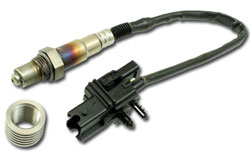
4 Channel Wideband UEGO Sensor
AEM's wideband O2 UEGO AFR replacement sensor and stainless-steel, finned, stand-off bung kit includes only a replacement Bosch 4.2 LSU Wideband UEGO sensor and stainless steel tall manifold bung. It is designed for installation and use with the AEM 4-Channel Wideband UEGO Controller, and forced induction (turbo and supercharged) applications.
These sensors have a laser-etched, calibrated resistor in the sensor’s connector body. This resistor is specifically created for the exact sensor that it is attached to. Modifying this will invalidate the sensor’s output. The wideband sensor is laboratory-calibrated at the Bosch factory, accurate to 0.1 AFR and never requires free-air calibration when used with an AEM wideband AFR controller.
- Accurate to 0.1 AFR
- Never requires free-air calibration when used with an AEM Controller and connector plug.
- Specifically designed for use with AEM Wideband UEGO controllers
- Includes sensor and weld-on stainless-steel tall manifold bung
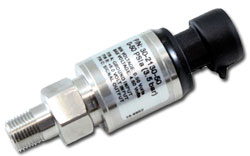
50 PSIa or 3.5 Bar Stainless Sensor Kit
Absolute (PSIa) Pressure Sensors
AEM offers high quality stainless steel PSIa sensors in 15 (1BAR),
30 (2BAR), 50 (3.5BAR), and 75 (5BAR). PSIa is referenced to absolute zero. Absolute zero is the pressure measurement
when all the pressure exerted by the atmosphere has been removed. The most common use for absolute pressure sensors
is reading manifold pressure. PSIa sensors are required if you wish to measure vacuum. A PSIa sensor will read about
14.7 PSI when the sensing element is exposed to atmospheric pressure at sea level however they can be recalibrated
to read zero at atmospheric and a negative number at values less than atmospheric pressure.
Which Pressure Sensor is right for you?
There are many different tools that can be used for measurement, but the degree of accuracy is dependent upon the tool. For example, a ruler can measure distance with a good degree of accuracy, but for a more precise measurement a caliper should be used. The difference between a brass pressure sensor and a stainless steel pressure sensor is similar if we think about it in these terms:
Brass Pressure Sensor = Ruler
Use a Brass Pressure Sensor where you need a good reference to what
pressure is being seen.
Example: Brass Pressure Sensor used for a Boost Gauge – Reference/Information for knowing
manifold pressure, not for ECU calibration.
Stainless Pressure Sensor = Caliper
Use a SS Pressure Sensor where you need exact details of the
pressure.
Example: MAP Sensor information for the ECU – Calibration/crucial information for the ECU.
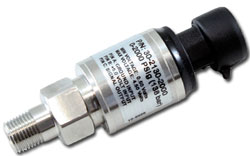
500 PSIg Stainless Sensor Kit
Gauge style (PSIg) Pressure Sensors
AEM offers high quality PSIg sensors in 100, 150, 500, 1,000,
and 2,000. Gauge style pressure sensors reference pressure above atmospheric pressure. When exposed to atmospheric
pressure, gauge style pressure sensors will read 0 psig. Gauge style pressure sensors are commonly used for oil pressure,
fuel pressure, brake pressure, nitrous pressure etc.
Which Pressure Sensor is right for you?
There are many different tools that can be used for measurement, but the degree of accuracy is dependent upon the tool. For example, a ruler can measure distance with a good degree of accuracy, but for a more precise measurement a caliper should be used. The difference between a brass pressure sensor and a stainless steel pressure sensor is similar if we think about it in these terms:
Brass Pressure Sensor = Ruler
Use a Brass Pressure Sensor where you need a good reference to what
pressure is being seen.
Example: Brass Pressure Sensor used for a Boost Gauge – Reference/Information for knowing
manifold pressure, not for ECU calibration.
Stainless Pressure Sensor = Caliper
Use a SS Pressure Sensor where you need exact details of the
pressure.
Example: MAP Sensor information for the ECU – Calibration/crucial information for the ECU.
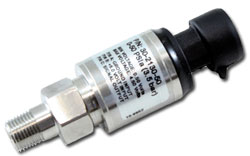
75 PSIa or 5 Bar Stainless Sensor Kit
Absolute (PSIa) Pressure Sensors
AEM offers high quality stainless steel PSIa sensors in 15 (1BAR),
30 (2BAR), 50 (3.5BAR), and 75 (5BAR). PSIa is referenced to absolute zero. Absolute zero is the pressure measurement
when all the pressure exerted by the atmosphere has been removed. The most common use for absolute pressure sensors
is reading manifold pressure. PSIa sensors are required if you wish to measure vacuum. A PSIa sensor will read about
14.7 PSI when the sensing element is exposed to atmospheric pressure at sea level however they can be recalibrated
to read zero at atmospheric and a negative number at values less than atmospheric pressure.
Which Pressure Sensor is right for you?
There are many different tools that can be used for measurement, but the degree of accuracy is dependent upon the tool. For example, a ruler can measure distance with a good degree of accuracy, but for a more precise measurement a caliper should be used. The difference between a brass pressure sensor and a stainless steel pressure sensor is similar if we think about it in these terms:
Brass Pressure Sensor = Ruler
Use a Brass Pressure Sensor where you need a good reference to what
pressure is being seen.
Example: Brass Pressure Sensor used for a Boost Gauge – Reference/Information for knowing
manifold pressure, not for ECU calibration.
Stainless Pressure Sensor = Caliper
Use a SS Pressure Sensor where you need exact details of the
pressure.
Example: MAP Sensor information for the ECU – Calibration/crucial information for the ECU.
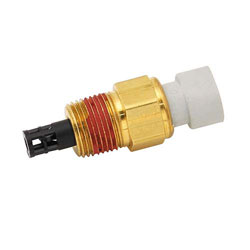
Air Charge Temp Sensor Mercruiser 805223T
AIR Charge Temp Sensor
Replaces: Mercruiser 805223T, Volvo 3854527
Fits: Mercruiser / Volvo 4.3L, 5.0L
The Air Charge Temperature Sensor (ACTS) a thermistor sensor that inputs the temperature of the incoming air stream in the air filter or intake manifold to the computer. It can be located in the intake manifold (EFI systems) or the air cleaner.
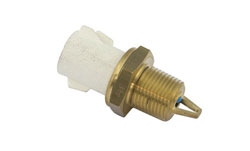
Air Charge Temp Sensor Volvo 3854158
AIR Charge Temp Sensor
Replaces: OMC / Volvo 3854158
Fits: Ford 5.0L & 5.8L 1993
The Air Charge Temperature Sensor (ACTS) a thermistor sensor that inputs the temperature of the incoming air stream in the air filter or intake manifold to the computer. It can be located in the intake manifold (EFI systems) or the air cleaner.